
Master of Science in Electrical Engineering
- Master of Science in Electrical Engineering (MSEE)
- Doctor of Philosophy in Electrical Engineering (Ph.D. EE)
Program Duration
MS EE Program:
The minimum duration for completion of an MSEE degree is 1.5 years or 3 regular semesters and a maximum of 3.5 years with a maximum of 6 months extension.
Program Duration
Ph.D. EE Program:
The minimum duration for completion of a Ph.D. EE degree is 3 years or 3 regular semesters and a maximum of 6 years with two – 1-year extensions.
The Department of Electrical and Computer Engineering has the pride of winning multiple grants from HEC and ICT R&D in multiple areas for the development of research labs. They include
- MEMS (Microelectromechanical Systems)
- Cyber-security
- Robotics
- 5G Testbed development
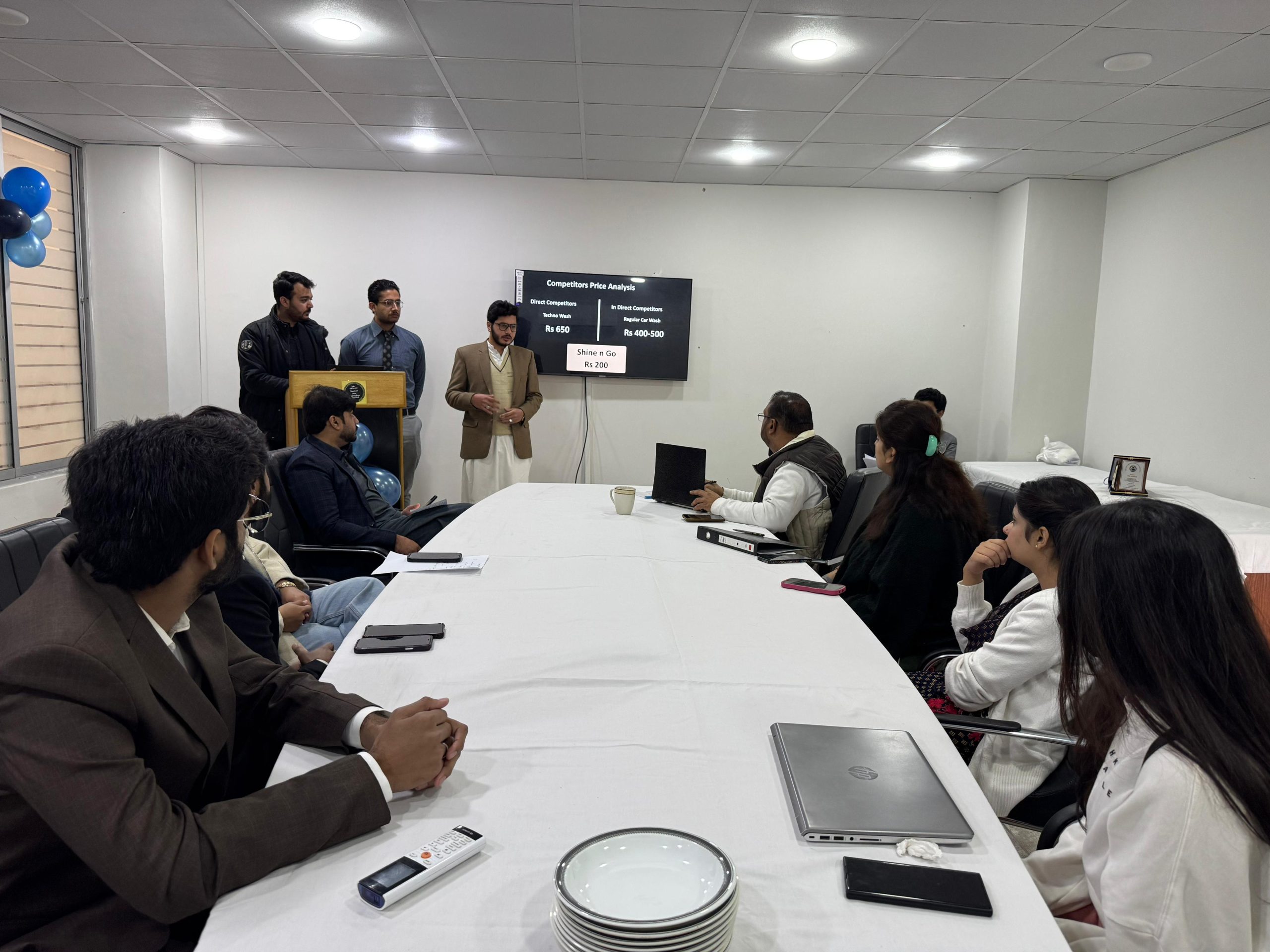
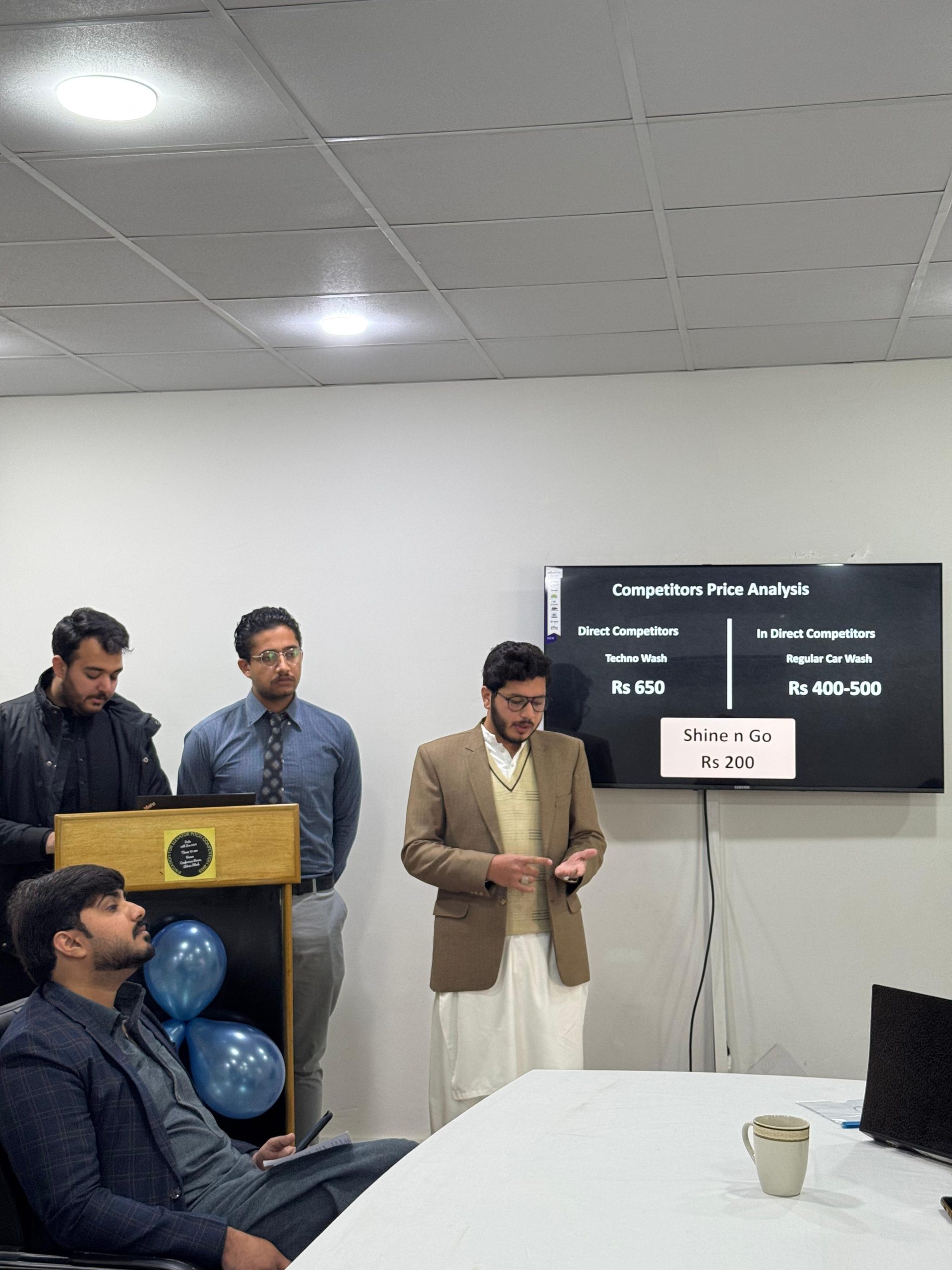
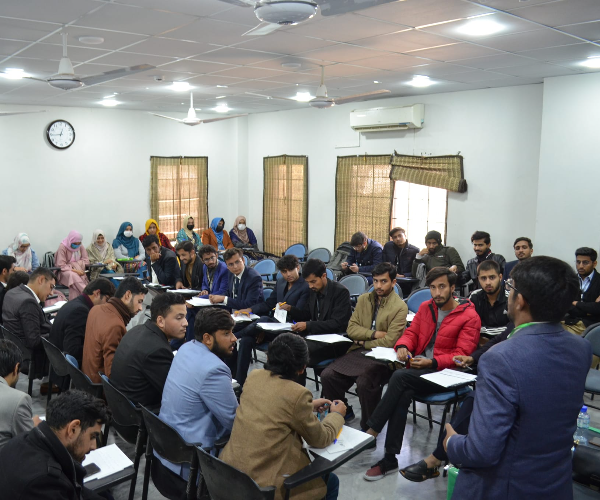


These research labs will enable our students to perform high-level research in cutting-edge technologies. Our post-graduate programs have been geared to maximize the utilization of these labs by offering courses around the research themes being followed in these labs.
Our students will benefit from learning state-of-the-art technologies from faculty members renowned for their research in these areas specifically.
MS & Ph.D. Programs in Electrical Engineering
We offer MS Programs in Electrical Engineering with a strong foundation, in theory, to equip students with the skills necessary to grasp and develop new technologies and trends in electrical engineering and allied fields. The Electrical Engineering Program at SS CASE IT is tailored to the specific needs of modern industry and R&D organizations. It encompasses areas that are in line with hi-tech industry requirements in the field. The program equips technical managers with the knowledge to remain competitive in this area. The curriculum has been designed with the aim of providing breadth and depth of knowledge in key areas that evolve with societal needs. Our faculty is also actively engaged in research and has won grants from HEC and Ignite National Technology Fund worth PKR 180 million in the areas of Robotics, Cyber Security, Chip Design, 5G Communication Technologies, and Intelligent Systems.
Focus Research Areas
The Department of Electrical and Computer Engineering is offering MS in Electrical Engineering in the following research areas:
-
Communication Systems and Networks
-
Electrical Power and Energy Engineering
-
Robotics and Control Systems
-
Computer Networks and Cyber Security
-
Digital Design and Embedded Systems
-
Intelligent Systems
- AI & Chip Design
Program Educational Objectives (PEOs) of the MS EE Program
The educational objectives of the MS EE Program are to graduate students who have the following attributes.
PEO-1: The graduates will exhibit the ability to do research, think creatively and deploy efficient engineering solutions to local and global problems.
PEO-2: The graduates are able to communicate effectively and have the necessary skills to lead a team of designers, developers, or professionals to engage in a globally competitive world.
PEO-3: The graduates are able to utilize formal and informal learning opportunities to maintain and enhance technical, personal and professional growth.
Program Educational Objectives (PEOs) of the PhD EE Program
The following are the Program Educational Objectives of PhD EE program: –
PEO-1: To produce graduates capable of conducting advanced research and effectively developing innovative solutions and products for commercial, industrial, and research-oriented organizations, with an emphasis on entrepreneurial mindset.
PEO-2: To provide formal foundations to develop highly skilled researchers who pursue the field of Electrical Engineering and allied fields.
PEO-3: To contribute as professional and effective team leaders in multidisciplinary teams and diverse organizations.
Eligibility Criteria
MS in Electrical Engineering
Qualification:
A minimum of 16 years of education leading to BS/BE/BSc In Electrical / Electronics / Telecommunications / Computer Engineering or equivalent qualification in relevant discipline recognized by HEC.
CGPA / % Percentage: Minimum CGPA 2.00/4.00 or 60% Marks.
Admission Test: As per prevalent HEC/Institute policy.
PhD in Electrical Engineering
Qualification:
MS or equivalent degree in relevant discipline is required (18 years of education). At least 3.00 CGPA or 60% marks in case of annual system in MS/M.Sc. or equivalent in Electrical Engineering.
CGPA / % Percentage: Minimum CGPA 3.00/4.00 or 70% Marks.
Admission Test: As per prevalent HEC/Institute policy.
| Code | Course Title | Credit Hours |
| Four (04) Core Courses | 12 | |
| CS6901 | Research Methodology | 3 |
| CS6902 | Thesis | 6 |
| Two (02) Courses from the program electives | 6 | |
| Two (02) Courses from the university electives | 6 | |
| Total | 33(33-0) |
| Code | Course Title | Credit Hours |
| Four (04) Core Courses | 12 | |
| Three (03) Courses from the program electives | 9 | |
| Three (03) Courses from the university electives | 9 | |
| MS Project | 3 | |
| Total | 33(33-0) |
(*Must have earned CGPA (Cumulative Grade Point Average) of at least is CGPA of 2.5)
| 1 | Earned at least 18 credits |
| 2 | Passed the “Research Methodology” course |
| 3 | CGPA is equal to or more than 2.5 |
| CS6001 | Advanced Theory of Computation |
| CS6002 | Advanced Algorithm Analysis |
| CS6003 | Advanced Operating Systems |
| CS6004 | Advanced Computer Architecture |
| CS6005 | Theory of Programming Languages |
Elective Courses
| CS6101 | Advanced Computer Networks |
| CS6102 | Simulation Modeling and Analysis of Computer Networks |
| CS6103 | Simulation Modeling and Evaluation of Mobile Networking |
| CS6104 | Data Compression |
| CS6105 | Network Performance Evaluation |
| CS6106 | Network Security |
| CS6107 | Cluster Computing Systems |
| CS6108 | Cloud Computing |
| CS6109 | Distributed Computing Systems |
| CS6110 | Advanced Topics in Computer Networking |
| CS6111 | Advanced Topics in Net-Centric computing |
| CS6201 | Adaptive & Intelligent Control |
| CS6202 | Machine Learning |
| CS6203 | Deep Learning |
| CS6204 | Artificial Intelligence & Neural Computing |
| CS6205 | Computer Vision |
| CS6206 | Digital Image Processing |
| CS6207 | Data Mining |
| CS6208 | Parallel and Distributed Database Systems |
| CS6209 | Distributed Data Processing |
| CS6210 | Data Warehousing |
| CS6211 | Object Oriented Databases |
| CS6212 | Data Visualization |
| CS6213 | Big Data Analytics |
| CS6214 | Bayesian Data Analysis |
| CS6215 | Social Network Analysis |
| CS6216 | Time Series Analysis and Prediction |
| CS6217 | Natural Lanuage Processing |
| CS6218 | Semantic Web |
| CS6219 | Advanced Database Management Systems |
| CS6220 | Advanced Topics in Intelligent Systems |
| CS6221 | Advanced Topics in Information Managament |
| CS6301 | Advanced Software Engineering |
| CS6302 | Statistics For Software Engineering |
| CS6303 | Object Oriented Software Engineering |
| CS6304 | Software Quality Management |
| CS6305 | Software Development Process |
| CS6306 | Information Systems |
| CS6307 | Software Project Management |
| CS6308 | Systems Engineering |
| CS6309 | Advanced Topics in Software Engineering |
| CS6401 | Advanced Computer Graphics and visualization |
| CS6402 | Multimedia Communications |
| CS6403 | Virtual Reality |
| CS6404 | Geographical Information Systems |
| CS6405 | Computer Animation |
| CS6406 | Advanced Topics in Graphics and Visual Computing |
| CS6501 | Advanced Compiler Design |
| CS6502 | Programming Language Design |
| CS6503 | Cryptography and Network Security |
| CS6601 | Real Time Embedded Systems |
| CS6602 | Parallel Processing: Architecture & Algorithms |
| CS6603 | Reconfigurable Computing |
| CS6701 | Digital Signal Processing |
| CS6703 | Advanced Digital Systems Design |
| CS6704 | Special Topics in Control Systems |
| CS6706 | Linear Systems and Controls |
| CS6707 | Real Time Operating Systems |
| CS6708 | Real time Embedded System |
| CS6801 | Information and Coding Theory |
| CS6802 | Cryptography & Network Security |
| CS6803 I | nformation Security Strategies & Policies |
| CS6804 | Computer System Security |
| CS6805 | Advanced Cryptography & Cryptanalysis |
| CS6806 | Advanced Topics in Information Security |
| CS6807 | Cyber Forensic Analysis |