Forging a Future of Impact
Alhamdulillah, with an unwavering commitment to disseminating world-class engineering and management education, our esteemed institution strives to create a haven of learning where the brightest minds are drawn, nurtured, and prepared to assume prominent leadership roles across the globe. Our hallmark lies in fostering a culture of excellence and perpetual growth, ensuring that our students and faculty are constantly inspired to reach new heights of achievement. Together, we embark on a transformative journey of knowledge, empowerment, and innovation, paving the way for a future where brilliance knows no bounds.
Sir Syed CASE Institute of Technology – History
Sir Syed Center for Advanced Studies in Engineering (SS-CASE-IT) achieved federal charter status as a degree-awarding institute in 2018. However, the legacy of providing exceptional higher education dates back to 2001, when it commenced its journey as an affiliated institute (CASE) under the University of Engineering and Technology Taxila (UET Taxila).
Origins and Founding Vision
The Center for Advanced Studies in Engineering (CASE) began as a noble initiative of the not-for-profit Engineering Education Trust (EET). In January 2001, the idea of establishing CASE as a leading institution for higher technical education in Pakistan was formally discussed. Recognizing the urgent national demand for advanced knowledge in engineering and management, the founders wholeheartedly committed to this mission.
Earlier, in 1998, Communications Enabling Technologies (CET) Pakistan, a research and development organization, was founded in Rawalpindi by Dr. Shoab Ahmed Khan (Tamgha-e-Imtiaz). CET quickly attracted some of the most talented professionals, including Dr. Farrukh Kamran (Tamgha-e-Imtiaz), Dr. Saeed Ur Rahman, and Dr. Sohail Naqvi (Former Executive Director, HEC). Later, other distinguished figures such as Dr. Syed Ismail Shah (Ex-Chairman PTA), Dr. Aamer Iqbal Bhatti, Dr. Amir Qayyum, Dr. Imtiaz A. Taj, Dr. Sheikh Muhammad Farhan, Saleem Ahmed Khan, Dr. Mohsin Rahmatullah, Hammad Ahmed Khan, Dr. Zaheer Ahmed, and Dr. Durdana Habib also joined. To formally support this cause, Engineering Education Trust (EET) was established in May 2001.
Growth and Early Achievements
From the outset, CASE focused on graduate education and cutting-edge research, with the goal of contributing to Pakistan’s prosperity through the development of a knowledge-based economy.
One significant milestone was the affiliation with UET Taxila, which enabled the launch of the graduate program in Computer Engineering, admitting 60 students. This marked the birth of CASE on September 11, 2001, at the Software Technology Park in Islamabad. The inauguration was graced by Prof. Dr. Atta-ur-Rehman, the then-Federal Minister of Science and Technology.
At the time, the institute had a highly qualified faculty of 10 PhDs and 8 MScs. Responding to demand, CASE introduced the Department of Engineering Management in Fall 2002 under Dr. Ali Sajid, enrolling 192 Computer Engineering students and 41 Engineering Management students. In 2004, the undergraduate program in Electrical Engineering was launched with financial support from CARE (PVT) Ltd., and accreditation from the Pakistan Engineering Council (PEC) was secured even before the first batch graduated in 2008.
In Fall 2008, the BBA program was introduced to integrate engineering with business development. Over time, CASE expanded further, offering Bachelor of Computer Science, Master in Electrical Engineering, Master in Software Engineering, Master in Project Management, and Master in Management.
Federal Charter and Transformation
With the blessings of Almighty Allah, the Engineering Education Trust (EET) achieved a historic milestone by obtaining the federal charter for Sir Syed CASE Institute of Technology (SS-CASE-IT) on May 24, 2018. This success was the result of the tireless efforts of EET trustees and the contributions of past and present faculty and staff.
Visionaries such as Brig (R) Iqbal Shafi, Begum Majida Shafi, Dr. Tahir Hussain, Dr. Fatima Farhee Rehman, and many old Aligarians aspired to elevate CASE into SS-CASE-IT. Their goal was to carry forward the message of our great leaders of Tehreek-e-Pakistan—Quaid-e-Azam Muhammad Ali Jinnah, Allama Muhammad Iqbal, and Sir Syed Ahmed Khan—and continue Sir Syed’s mission of spreading science and technology education grounded in Islamic values.
By achieving this transformation, SS-CASE-IT became a degree-awarding multidisciplinary institute in Islamabad, seamlessly absorbing CASE’s programs, human resources, and infrastructure. Today, the university is poised to meet the rising demand for quality higher education in engineering, sciences, and humanities, preparing a new generation of skilled and innovative professionals.
New Campus at B-17, Islamabad
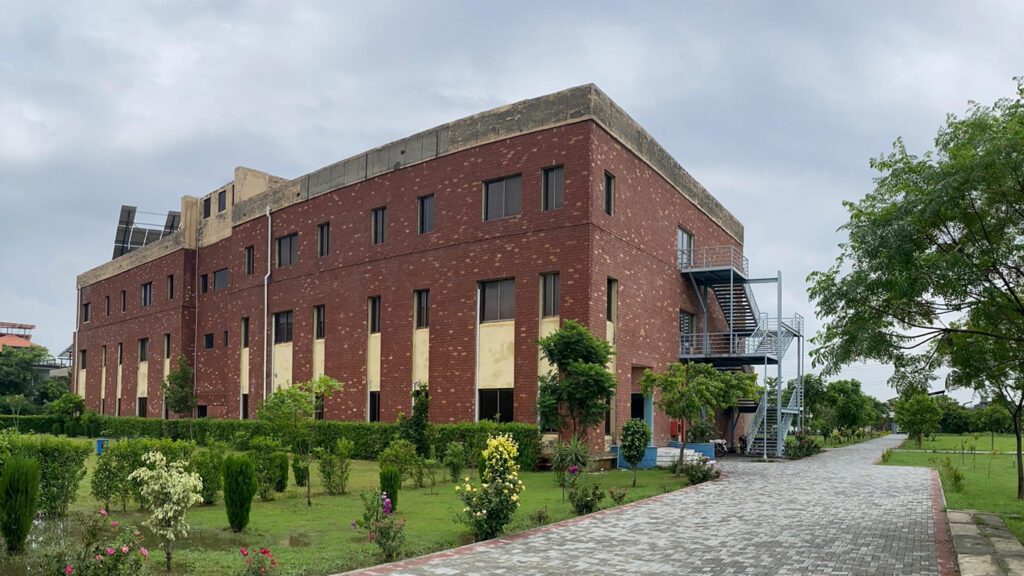
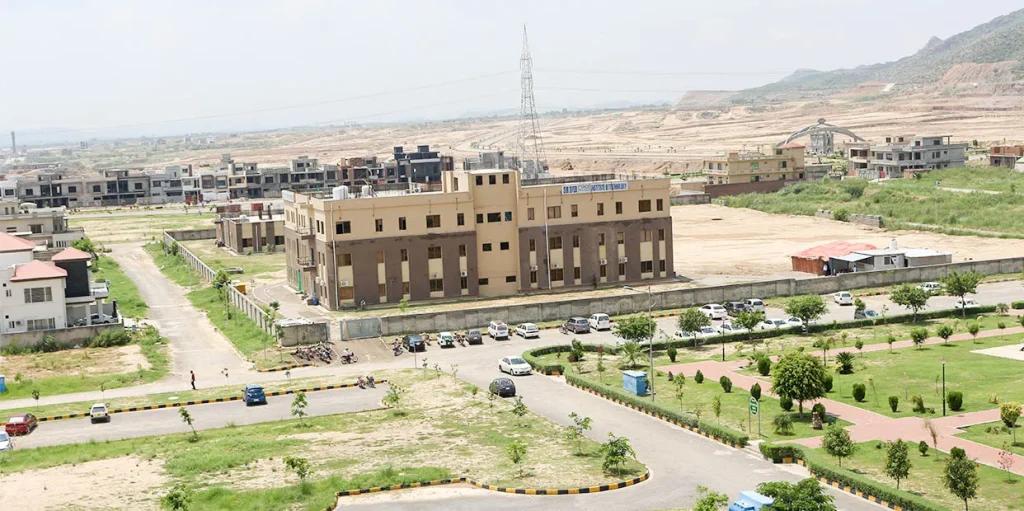
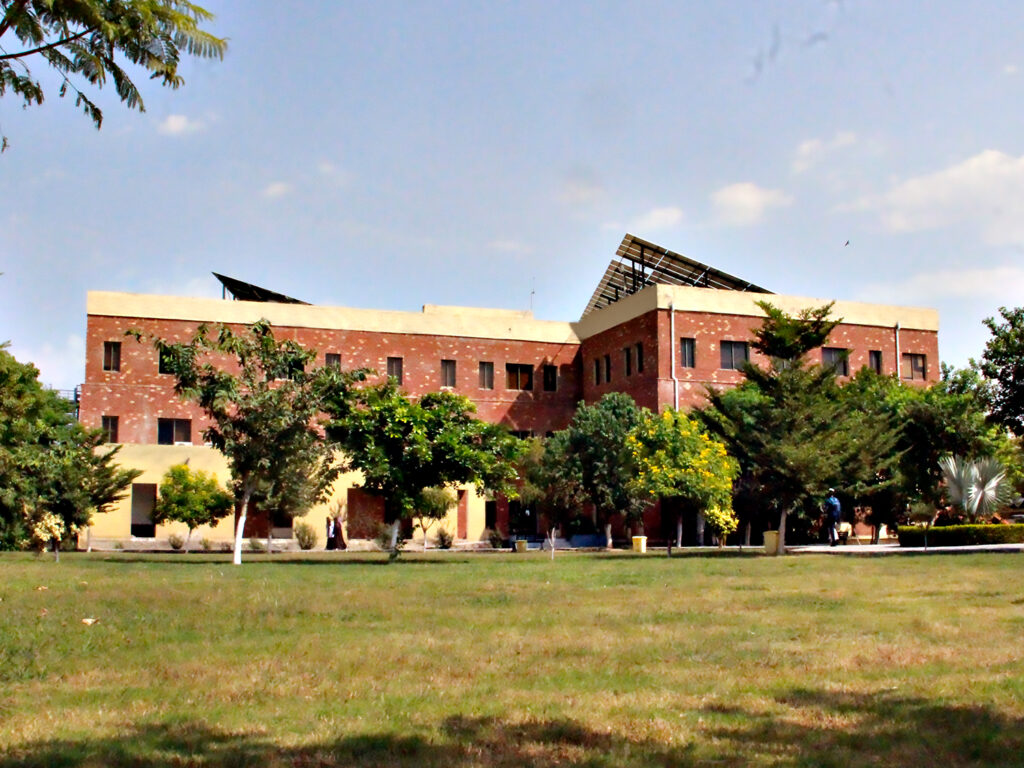
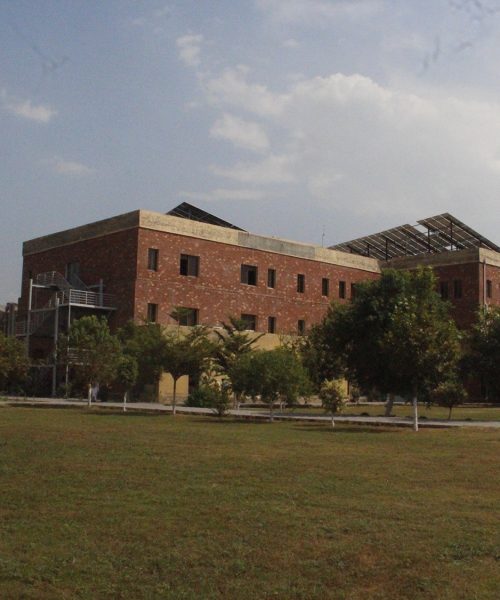
SS-CASE-IT has recently inaugurated its purpose-built campus in Multi Gardens, Sector B-17, Islamabad, nestled in the scenic Margalla Hills. This modern facility provides a world-class learning environment, offering students a vibrant academic experience within a peaceful and inspiring setting.
Recognition and Accreditation
All degrees at SS-CASE-IT are recognized by the Higher Education Commission (HEC) of Pakistan.
The BS Electrical Engineering program (with specializations in Computer and Telecommunication) is accredited by the Pakistan Engineering Council (PEC)—Level II accreditation awarded from intake 2011 onwards.
All Computing programs are accredited by the National Computing Education Accreditation Council (NCEAC) of HEC.